
Why Finland is separating train ownership from train operation
Finland's state rolling-stock company now owns trains used in purchased services. Learn why ownership is changing and what passengers will—and will not—notice.
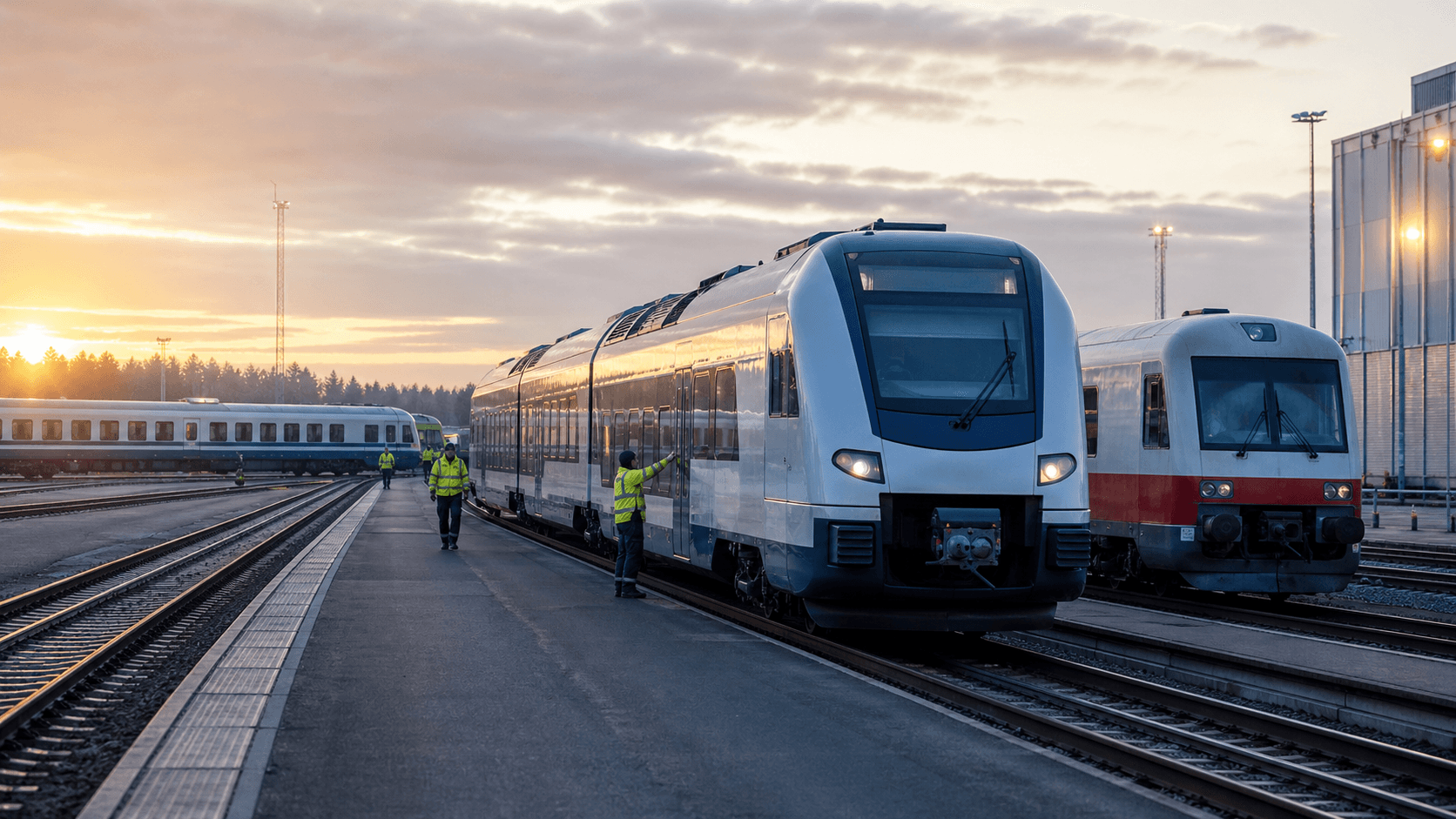
The train and the company driving it no longer have to be the same package
Finland is moving passenger trains used in publicly purchased services into a separate state-owned company called RailStock. The first transfer includes commuter trains, new Sm7 regional trains and diesel railbuses. Sleeper and car-carrier rolling stock is planned to follow in a second phase later in 2026.
To a passenger on the platform, ownership sounds remote. The same train can keep its timetable, crew and ticket even after the legal owner changes. The importance appears later, when the state chooses who will operate purchased train services after the current agreement ends in 2030.
The barrier Finland is trying to remove
Running passenger trains requires far more than winning a contract. A new operator would otherwise need to buy or lease a fleet, maintain it and ensure that it is approved for Finland before carrying one passenger. That cost and lead time can make meaningful competition difficult.
A neutral rolling-stock company changes the equation. The state can tender a service and make suitable trains available to the winning operator. Companies then compete more directly over how they run the service rather than over who already owns the necessary trains.
What moved to RailStock
VR and RailStock describe a combined transfer worth about €250 million. The first phase covers rolling stock used in purchased commuter and regional traffic, including the Sm7 fleet and railbuses. A later phase is expected to include sleeper coaches and car-carrier wagons.
Ownership does not mean operation. RailStock owns the asset; a railway undertaking operates the train, employs or arranges the operational staff and delivers the timetable under its contract. Maintenance responsibilities also need clear agreements.
What passengers will notice now
Very little changes immediately. RailStock does not sell the ticket, choose today's departure time or promise a lower fare. Existing services continue under their current operating arrangements.
That restraint matters. Structural reform is often described with claims about cheaper tickets or better service before any tender has been designed. The ownership change creates an option for competition; it does not guarantee a particular passenger outcome.
What could change after 2030
When purchased services are tendered, the transport authority can define routes, frequencies, quality standards and accessibility requirements. Operators compete to meet that specification, while access to state-owned rolling stock lowers one entry barrier.
The eventual passenger result will depend on the tender: what service the state buys, how performance is measured, how maintenance is organised and what happens when a train fails. Ownership is the foundation, not the finished service.
A useful way to judge the model
Ask four practical questions when future contracts appear. Are the trains available on equal terms? Who is responsible for maintenance and spare capacity? What happens to staff and passenger assistance? Which punctuality, cleanliness and accessibility standards carry consequences if they are missed?
Those answers will matter more than the company name painted on a train.
Sources and last checked
The transferred fleet, transaction value and competition objective come from VR Group's RailStock announcement and its transaction notice. Information was checked on 13 August 2026. No claim is made here that ownership reform alone lowers fares or changes current services.